Beef Stew: Trading Time for Structure and Depth
Beef stew is a time-driven cooking method that uses low heat and long cooking to transform tough cuts into tender, layered textures.

- Tim
- 1 min read
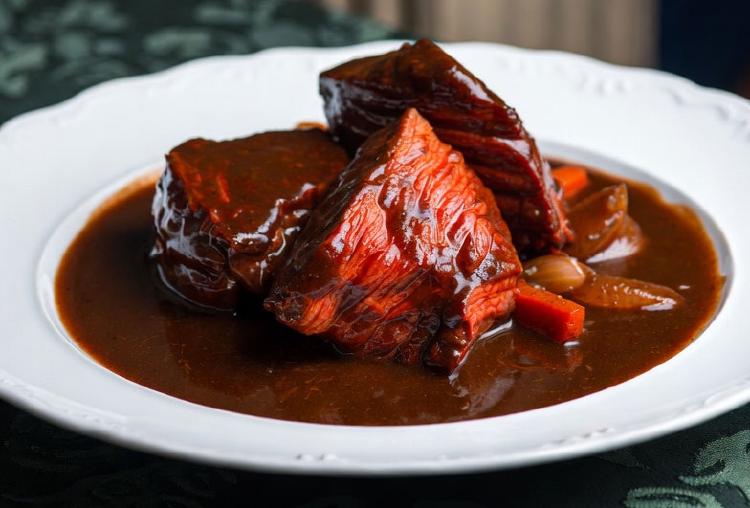
Beef stew is not a dish that rewards immediate feedback. Its logic is the opposite: reduce intervention, extend time, and allow transformation to occur naturally. Once heat is set, patience becomes the key variable.
Over long cooking, connective tissues break down, liquids penetrate the meat, and separate flavors gradually merge. The transformation is gentle, steady, and irreversible.
This slow certainty is where the value of beef stew lies.
Key Characteristics of Beef Stew
-
Relies on time rather than high heat
-
Suited for cuts rich in connective tissue
-
Flavors integrate gradually during cooking
-
Forgiving in execution, but depth depends on patience
Consumption & Variations
Beef stew exists across cultures in many forms: some emphasize spices, others focus on pure broth, while some add complexity through vegetables or alcohol.
Despite variations, the core principle remains the same: let time do the work, rather than forcing speed through constant intervention.
Conclusion
Beef stew is a dish that rewards patience. It requires trust in the process rather than constant technical display.
To understand beef stew is to understand the value of waiting in cooking.
- Tags:
- Beef