Fried Rice: Achieving Balance Within Constraints
Fried rice is a dish that relies heavily on fundamental technique and judgment. Rice condition, heat control, and seasoning choices determine its final flavor and texture.

- Tim
- 1 min read
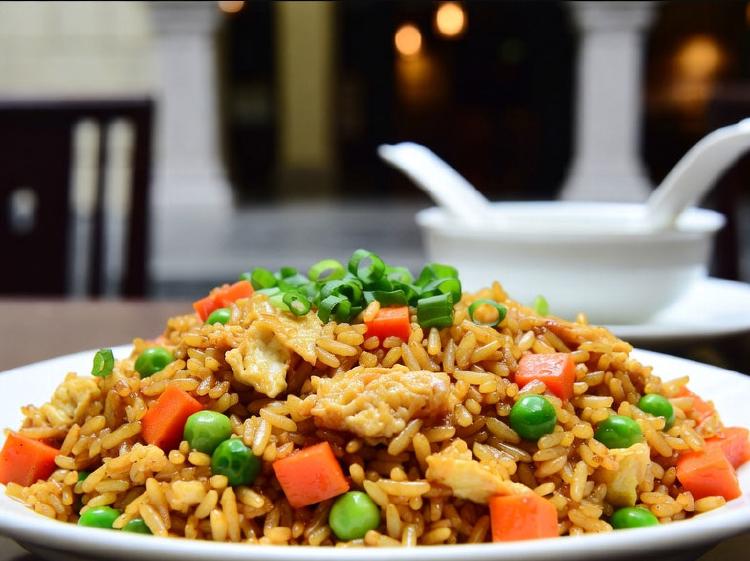
Fried rice appears simple, yet it is one of the hardest dishes to execute well. It lacks complex sauces and offers little margin for error through long cooking. The outcome depends almost entirely on decisions made within minutes.
Rice dryness, pan temperature, and the order in which oil and ingredients are added all become immediately apparent. Fried rice is fundamentally about balancing flavor, texture, and efficiency under constraints.
For this reason, it is often used as a measure of a cook’s foundational skill.
Key Elements of Fried Rice
-
Rice condition defines overall texture
-
Heat level shapes aroma and dryness
-
Seasoning should be restrained and precise
-
Ingredients support rather than dominate
Consumption & Variations
There is no single standard for fried rice. Different regions develop distinct styles based on available ingredients: some highlight egg aroma, others emphasize seasoning, while some focus on dry, separated grains.
Regardless of variation, good fried rice follows one rule: each grain of rice should remain distinct, not buried under sauce.
Conclusion
The value of fried rice lies not in complexity, but in precision. It demands clarity about fundamentals and sound decisions made quickly.
To understand fried rice is to understand the role of control in cooking.
- Tags:
- Rice