Ramen: Craft, Time, and Obsession in a Single Bowl
Japanese ramen is more than noodles. It is a complete system of broth, noodles, and craftsmanship. From tonkotsu to shoyu, every bowl carries a distinct style and history.

- Tim
- 1 min read
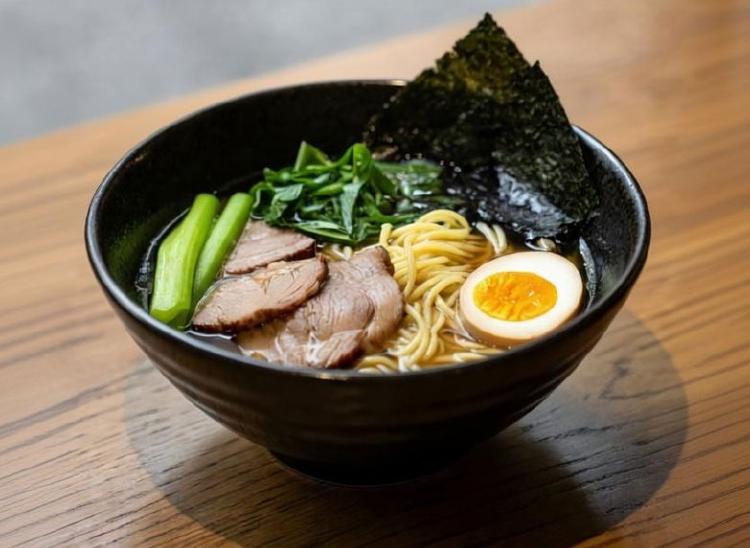
Japanese ramen originated in the early 20th century, initially influenced by Chinese noodle dishes. Over time, it evolved into a distinctly Japanese culinary system. Today, ramen has long moved beyond the idea of fast food and is regarded as a craft built on precision and repetition.
A proper bowl of ramen usually consists of four core elements: broth, tare (seasoning sauce), noodles, and toppings. The real differences are often invisible, hidden in hours of simmering, second-level timing control, and the chef’s unwavering personal style.
In Japan, ramen shops range from tiny street-side counters to famous stores with hours-long queues. For many ramen craftsmen, refining a single broth can take a decade.
Tonkotsu Ramen
Made from pork bones simmered for hours to create a creamy, opaque broth. Rich and intense, commonly associated with Kyushu.
Shoyu Ramen
Soy sauce–based seasoning with a clear, balanced broth. One of the most traditional and widely enjoyed styles.
Miso Ramen
Seasoned with miso, offering a rich and slightly sweet flavor. Often paired with corn and butter, originating from Hokkaido.
Shio Ramen
Salt-seasoned broth with a light, clean taste that highlights the natural flavor of ingredients.