Tempura: Preserving Pure Flavor Through Momentary Heat
Tempura is a Japanese dish defined by minimal batter and precise oil temperature, using brief frying to preserve the natural flavor and texture of ingredients.

- Tim
- 1 min read
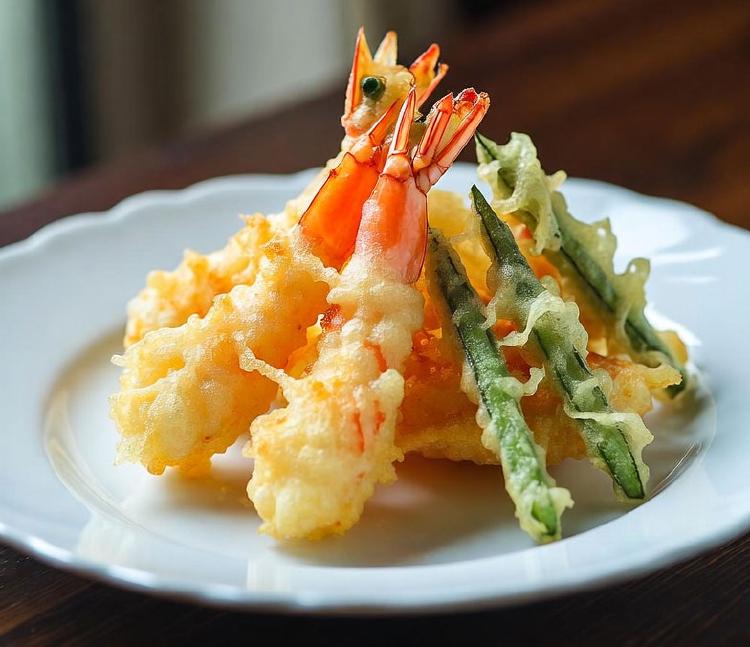
Tempura may appear to be simple fried food, but within Japanese cuisine it is one of the most technically demanding dishes. The batter must be thin, the oil temperature perfectly controlled, and frying time often measured in seconds. Any mistake is immediately noticeable.
Unlike heavily seasoned fried dishes, tempura aims for minimal intervention. High heat sets the surface quickly, locking in moisture and preserving the ingredient’s natural sweetness and umami.
Well-made tempura is light rather than greasy. This seemingly paradoxical quality is exactly why it holds a respected place in Japanese cuisine.
Ebi Tempura
The most iconic tempura ingredient, featuring a crisp coating and tender shrimp.
Vegetable Tempura
Includes pumpkin, eggplant, mushrooms, and green peppers, highlighting seasonal produce.
Fish Tempura
Usually made with white fish, offering a delicate texture and subtle flavor.
At its core, tempura represents a philosophy of precision and restraint. Rather than complex seasoning, it relies on strict control of time and heat to let ingredients speak for themselves.
- Tags:
- Noodles