Apple: A Foundational Fruit Defined by Subtle Differences
Apple is a remarkably stable fruit with rich variation, shaped by variety, origin, and storage methods that influence sweetness, acidity, and texture.

- Tim
- 1 min read
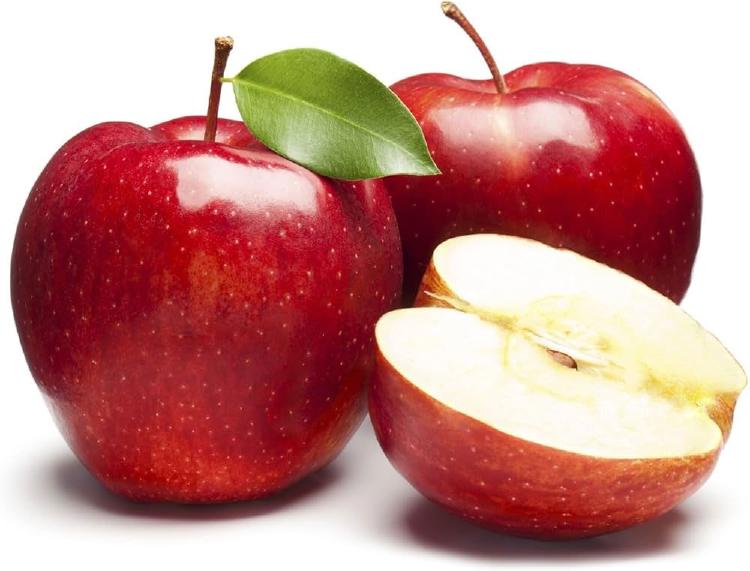
Apple is one of the few fruits available year-round. This stability makes it feel ordinary and often overlooked. Yet that same quality makes apple an ideal reference point for understanding fruit structure.
Unlike fruits with narrow ripeness windows, apples continue to evolve after harvest. Sugar, acidity, and moisture shift slowly during storage. As a result, apples are both natural products and outcomes of human control.
When apples are described as “simple,” it is usually because the differences between varieties—acidity, crispness, aroma—are underestimated.
Key Characteristics of Mango
- Clear balance between sweetness and acidity
- Texture ranges from crisp to mealy
- Variety often matters more than origin
- Storage time significantly affects flavor
Consumption & Uses
Apple’s strength lies in its versatility. It performs well both fresh and cooked. When eaten raw, crispness and acidity dominate; when heated, texture softens, sweetness intensifies, and acidity mellows.
This adaptability allows apples to appear in salads, desserts, preserves, and fermented beverages.
Conclusion
Apple does not aim for extremes. Its value lies in balance, predictability, and variation within restraint.
Understanding apples helps build a broader framework for evaluating fruit flavors as a whole.
- Tags:
- Fruit