Guava: An Underrated Tropical Fruit Rich in Vitamin C
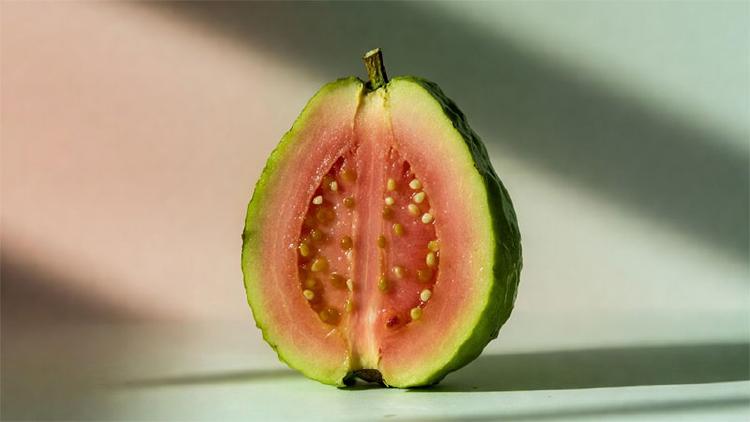
Guava is a tropical fruit rich in vitamin C and dietary fiber, offering a fresh taste and strong nutritional value for everyday healthy eating.

- Tim
- 2 min read
Dragon fruit, also known as pitaya, stands out with its flame-like appearance and refreshing taste. Originally from Central America, it is now widely cultivated across tropical and subtropical regions, becoming a favorite in modern fruit culture.
With a light sweetness and crisp texture, dragon fruit offers a clean and balanced flavor. It pairs beautifully with yogurt, salads, smoothies, or simply enjoyed fresh on its own.
Nutritionally, dragon fruit is rich in dietary fiber, vitamin C, and antioxidants, making it an excellent choice for health-conscious lifestyles. In a fast-paced world, this vibrant fruit brings a moment of calm, freshness, and natural pleasure.
Dragon fruit is not just a fruit—it’s a symbol of freshness, balance, and mindful living. Guava is a fruit that appears simple but delivers impressive nutritional value. Rather than relying on intense sweetness, it stands out through its fresh flavor and well-balanced nutrient profile, earning its place as a powerhouse among tropical fruits.
A ripe guava has firm flesh with a mild grassy aroma and a slightly tangy taste. One of its most notable qualities is its exceptionally high vitamin C content, allowing even small servings to contribute meaningfully to daily nutrition. Guava is also rich in dietary fiber, which helps support digestion and promotes a feeling of fullness.
Guava is highly adaptable in terms of consumption. It can be eaten fresh, blended into juice, made into jams, or sliced for salads. In some cultures, less ripe guavas are paired with seasonings to create a distinctive and refreshing snack.
Guava does not try to impress through complexity. Instead, it offers consistency, nutrition, and versatility—making it a dependable fruit choice for those who value health without excess sweetness.
- Tags:
- Fruit