Mango: A Concentration of Flavor Shaped by the Tropics
Mango is a tropical fruit deeply shaped by climate and ripeness, with distinct varieties differing in sweetness, texture, and aroma.

- Tim
- 1 min read
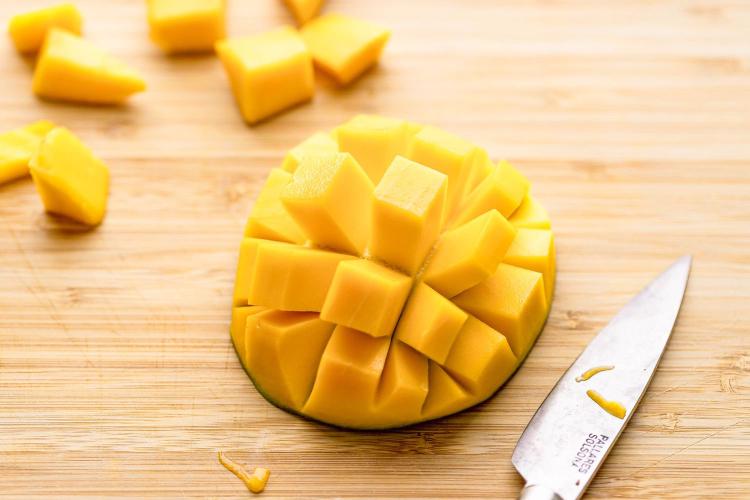
Mango is a fruit highly sensitive to its environment. Temperature, sunlight, and rainfall patterns directly shape its sweetness, aroma, and texture. Unlike fruits that improve significantly after harvest, mango has a narrow window in which its flavor reaches its peak.
At proper ripeness, mango delivers a concentrated profile: pronounced sweetness balanced by floral notes, resin-like aromas, or gentle acidity. This complexity allows it to function equally well as a fresh fruit or as an ingredient in desserts, beverages, and savory dishes.
Key Characteristics of Mango
- Flesh texture ranges from smooth to fibrous
- Ripeness strongly affects sweetness and aroma
- Significant variation across varieties and growing regions
- Both underripe and overripe fruit compromise texture and flavor
Consumption & Uses
Mango is best enjoyed when fully ripe yet still firm, when aroma and texture are at their best. In beverages, it adds natural sweetness and body to smoothies, juices, and fermented drinks. In cooking, mango often acts as a balancing element, offsetting heat or richness with sweetness and acidity.
Conclusion
Mango is not a consistent fruit. Its sensitivity to time and environment is precisely what makes it exceptional at its best.
To understand mango is to understand how natural conditions are condensed into a single bite of flavor.
- Tags:
- Fruit