Champagne: The Symbol of Luxury and Celebration
Champagne, one of the world's most famous sparkling wines, represents luxury, celebration, and elegance. Discover its history, production process, and perfect food pairings.

- Tim
- 3 min read
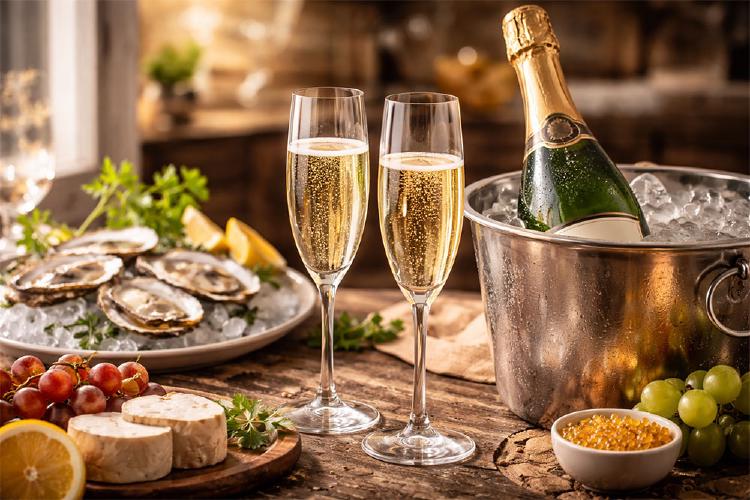
Champagne is more than just a beverage—it is a symbol of luxury, celebration, and elegance. As one of the most renowned sparkling wines in the world, Champagne is a staple at weddings, celebrations, and important life moments. From the unique terroir of the Champagne region in France to its meticulous production process, every bottle carries a rich heritage and cultural significance.
1. History and Origin of Champagne
The history of Champagne dates back to the late 17th century. A French monk, Dom Pierre Pérignon, is often credited with contributing to the development of Champagne production techniques. During the winemaking process, the natural formation of bubbles was discovered and gradually refined into what we now recognize as modern Champagne.
Over time, Champagne became a symbol of nobility and high society, especially in 18th-century French courts. Today, it has transcended its origins to become a global icon of celebration.
2. The Production Process of Champagne
Champagne production is complex and strictly regulated, typically following the traditional method known as the Méthode Champenoise. This process gives Champagne its signature bubbles and refined taste.
1. Primary Fermentation
Champagne begins with high-quality grapes, primarily Pinot Noir, Chardonnay, and Pinot Meunier. The grapes are carefully selected and pressed to extract juice, which undergoes the first fermentation to create a base wine.
2. Secondary Fermentation and Bubble Formation
After the base wine is ready, sugar and yeast are added to initiate a second fermentation inside the bottle. This process produces carbon dioxide, creating the fine bubbles that define Champagne.
3. Riddling and Clarification
To remove sediment, the bottles are gradually rotated and tilted in a process called riddling. Eventually, the sediment is removed, leaving a clear and refined sparkling wine ready for consumption.
3. Perfect Food Pairings with Champagne
Thanks to its crisp acidity and refreshing bubbles, Champagne pairs beautifully with a wide range of foods:
Seafood
Champagne is a classic match for seafood. Its acidity and effervescence balance the richness and freshness of oysters, crab, and fish.
Cheese
Soft cheeses such as Brie and Camembert pair exceptionally well with Champagne, as the creamy texture complements the wine’s lively bubbles.
Fine Dining Dishes
Champagne also pairs well with gourmet dishes such as roasted chicken, foie gras, and even seared steak, enhancing the overall dining experience.
4. How to Taste Champagne
When tasting Champagne, observe its clarity, bubbles, and aroma. A good Champagne should be clear, with fine and persistent bubbles. Swirl gently to release aromas, which often include floral, fruity, and subtle yeasty notes.
On the palate, Champagne should feel balanced, crisp, and refreshing, with a pleasant acidity and delicate fruit flavors.
5. Storage and Selection Tips
Champagne should be stored in a cool, dark place, away from direct sunlight. Most Champagnes are best consumed within 1–3 years of purchase to enjoy their freshness, although some premium bottles can age gracefully and develop more complex flavors over time.
6. Conclusion
Champagne is not just a drink—it is an experience that embodies celebration and refinement. Whether for a grand event or a simple moment worth celebrating, Champagne elevates the occasion. Its rich history, intricate production, and versatility in food pairing make it a timeless symbol of luxury and joy.
- Tags:
- Wine